The Seeing Eye Dog Who Saw Too Much
2025, United States
Directed by: Eric Jackowitz
-
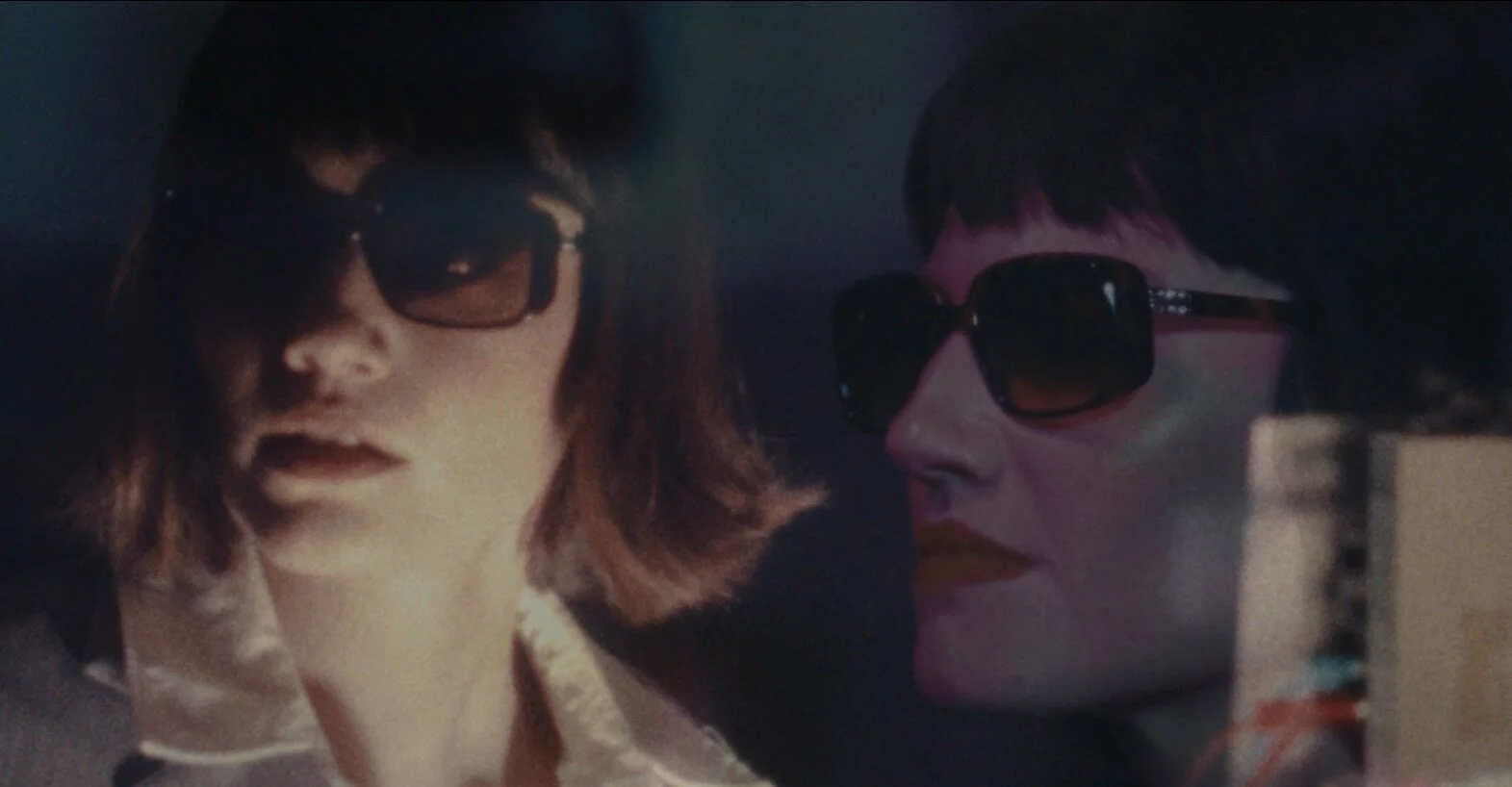
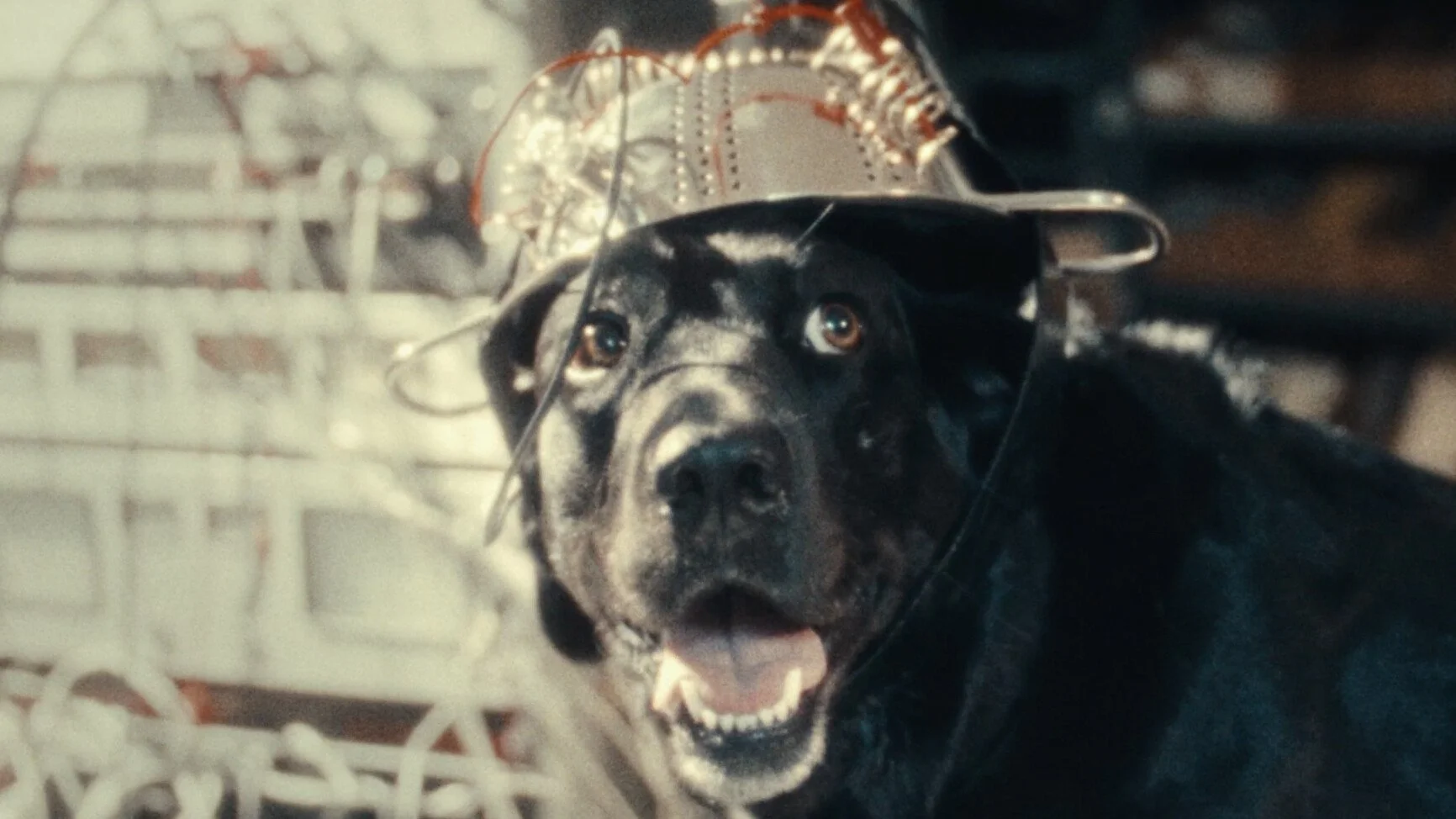
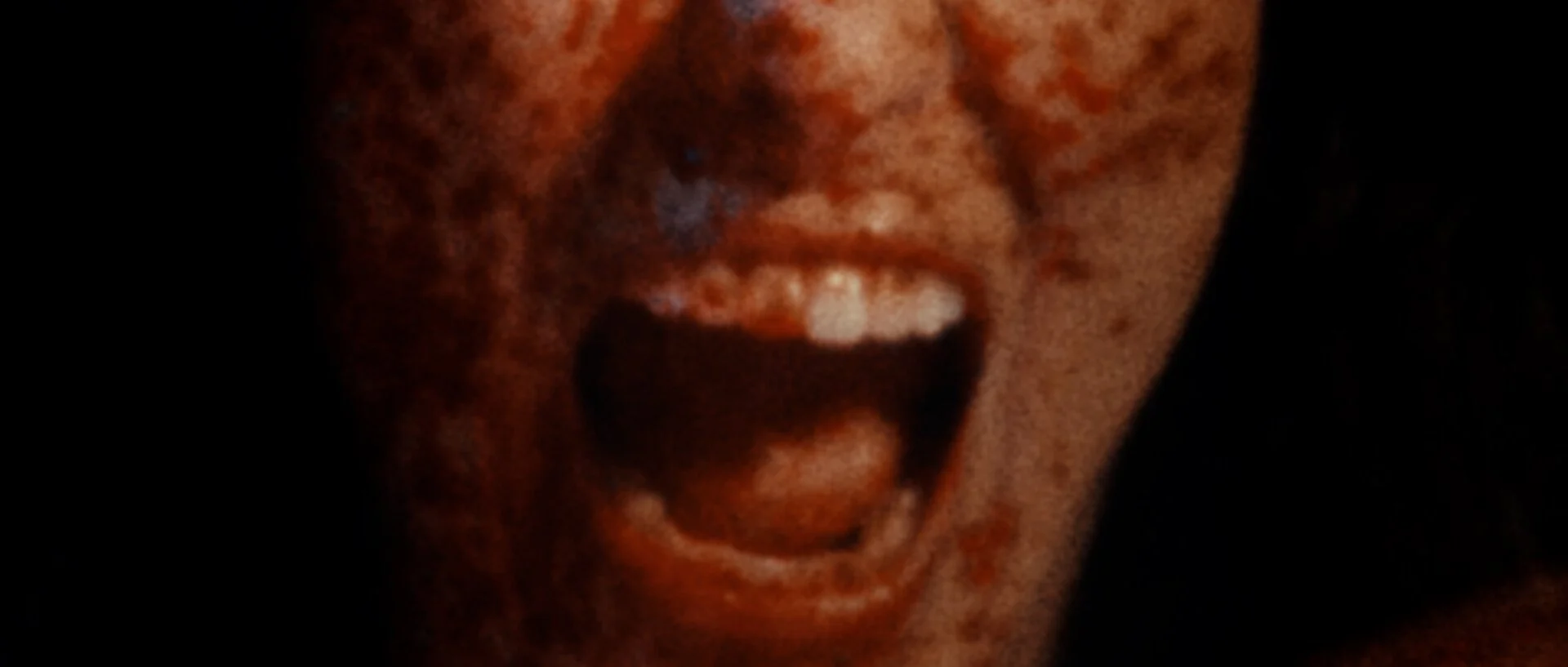
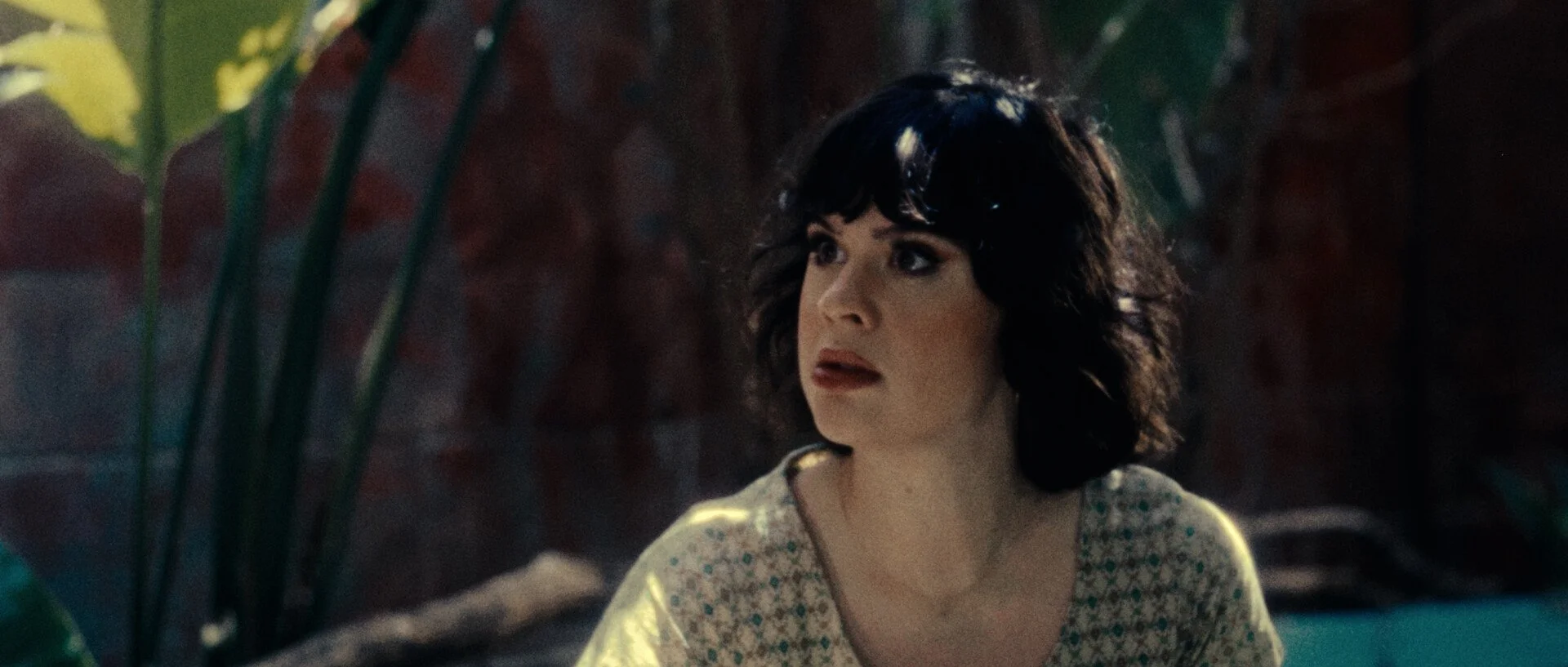
In 1975, Italian director Enrico Januzzi began filming a giallo set in Rome - a feverish tale of a blind violinist who rises to first chair of the symphony, only to find herself stalked as a black-gloved killer murders her fellow musicians one by one. The only witness: her seeing-eye dog. Production collapsed after a week, and the footage was presumed lost, until its rediscovery in 2025. Painstakingly restored by WBAZ Films, this surviving fragment is presented here for the very first time.
-
I’ve always been fascinated by the bold, stylish world of 1970s Italian giallo films. The saturated colors, the loud, pumping scores, the murder mysteries unfolding like ecstatic fever dreams. The Seeing Eye Dog Who Saw Too Much began as a love letter to that genre but quickly evolved into something stranger: a fake cinematic artifact from a film that never existed, “restored” decades later for modern audiences.
As a musician first, I approached the film with rhythm and tone in mind, editing and scoring it myself, just as John Carpenter famously did. Humor also bleeds into my work, even when dealing with killers in black gloves and doomed orchestras, there’s a dark humor under the surface.
Ultimately, I wanted the film to feel like you stumbled upon a fragment of cult cinema history, something dangerous and forgotten, and now, for the first time in 50 years, you get to see it.
Eric Jackowitz
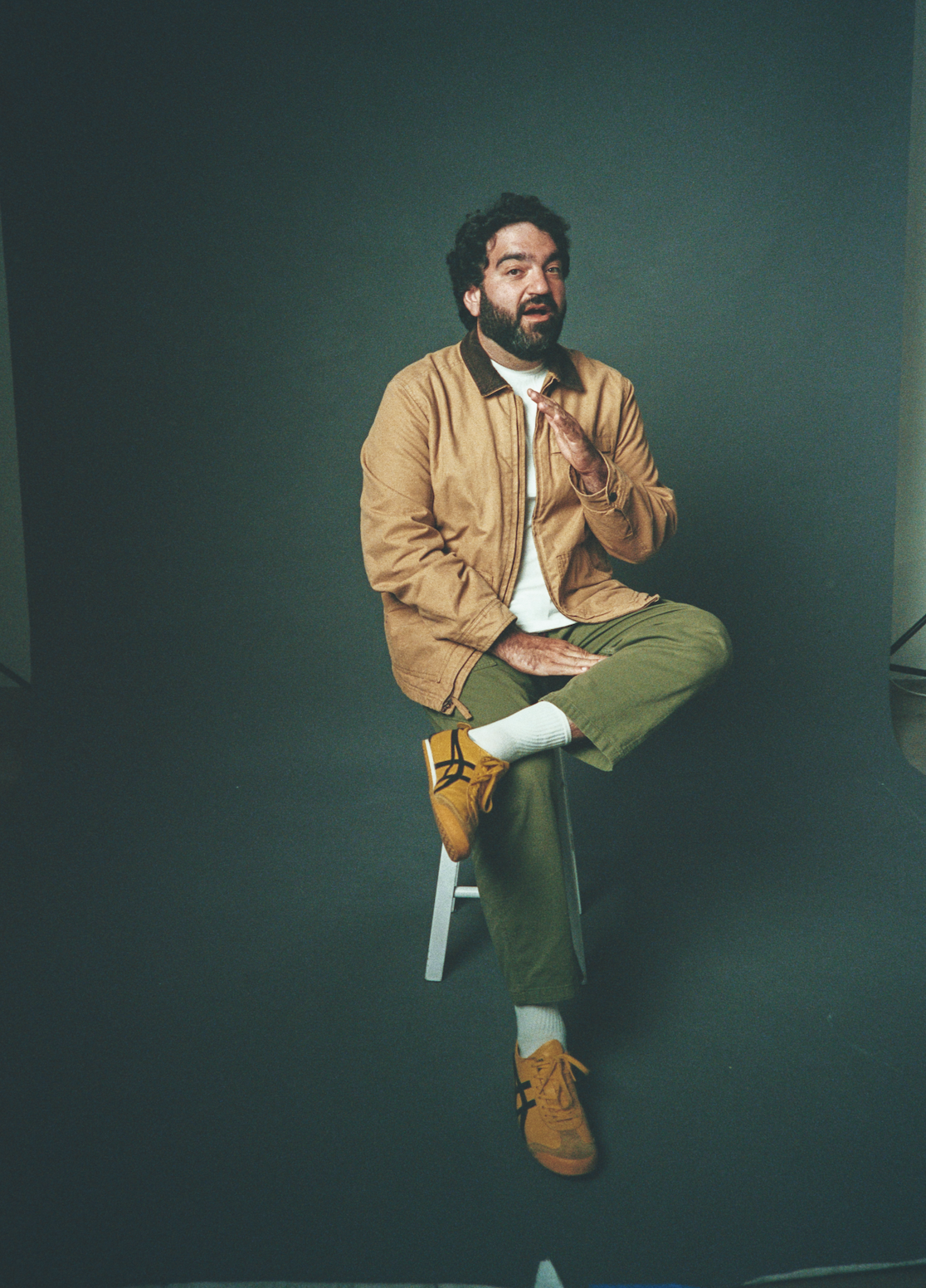
Eric Jackowitz is a Miami-born musician-turned-filmmaker whose creative journey began behind a drum kit. After drumming through childhood, Berklee College of Music, and performances with artists like George Clinton, Blake Mills, and Nick Waterhouse, Eric co-founded the bands The Cooties and Wolves of Glendale. His transition to filmmaking began in 2018, directing music videos for his band Cape Weather, which ultimately led to his debut short film, The Seeing Eye Dog Who Saw Too Much.
Influenced by Dario Argento, John Carpenter, Quentin Tarantino, and Spike Jonze, Eric’s work blends music, humor, and genre filmmaking into a style that is as rhythmic as it is cinematic. Like Carpenter, he edits and scores his own films, ensuring his singular creative voice carries through every frame. His goal is simple: to create films that immerse, entertain, and stay with audiences long after the credits roll.